


Wilson Defyer Tennis Racquets
Filters
4 products
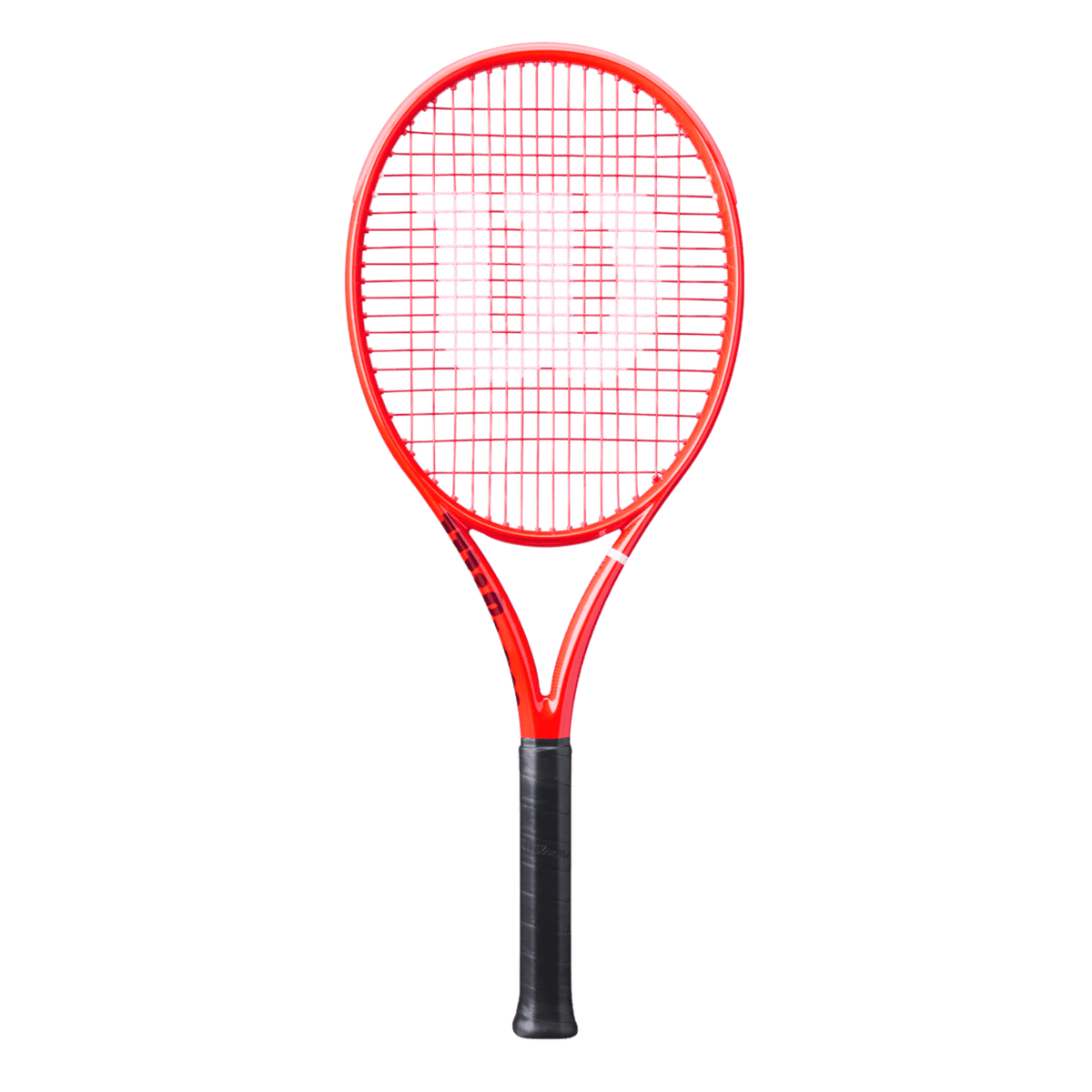

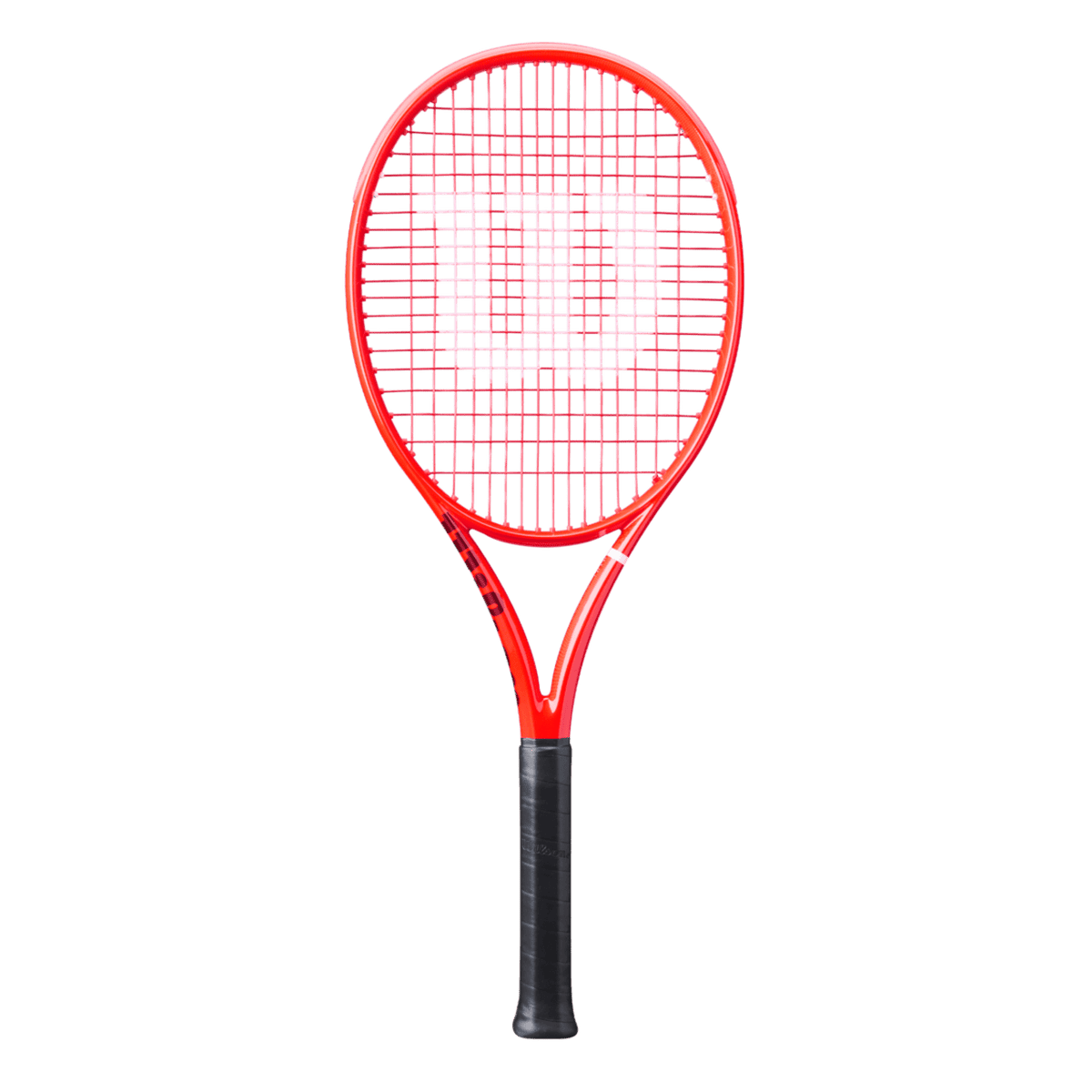
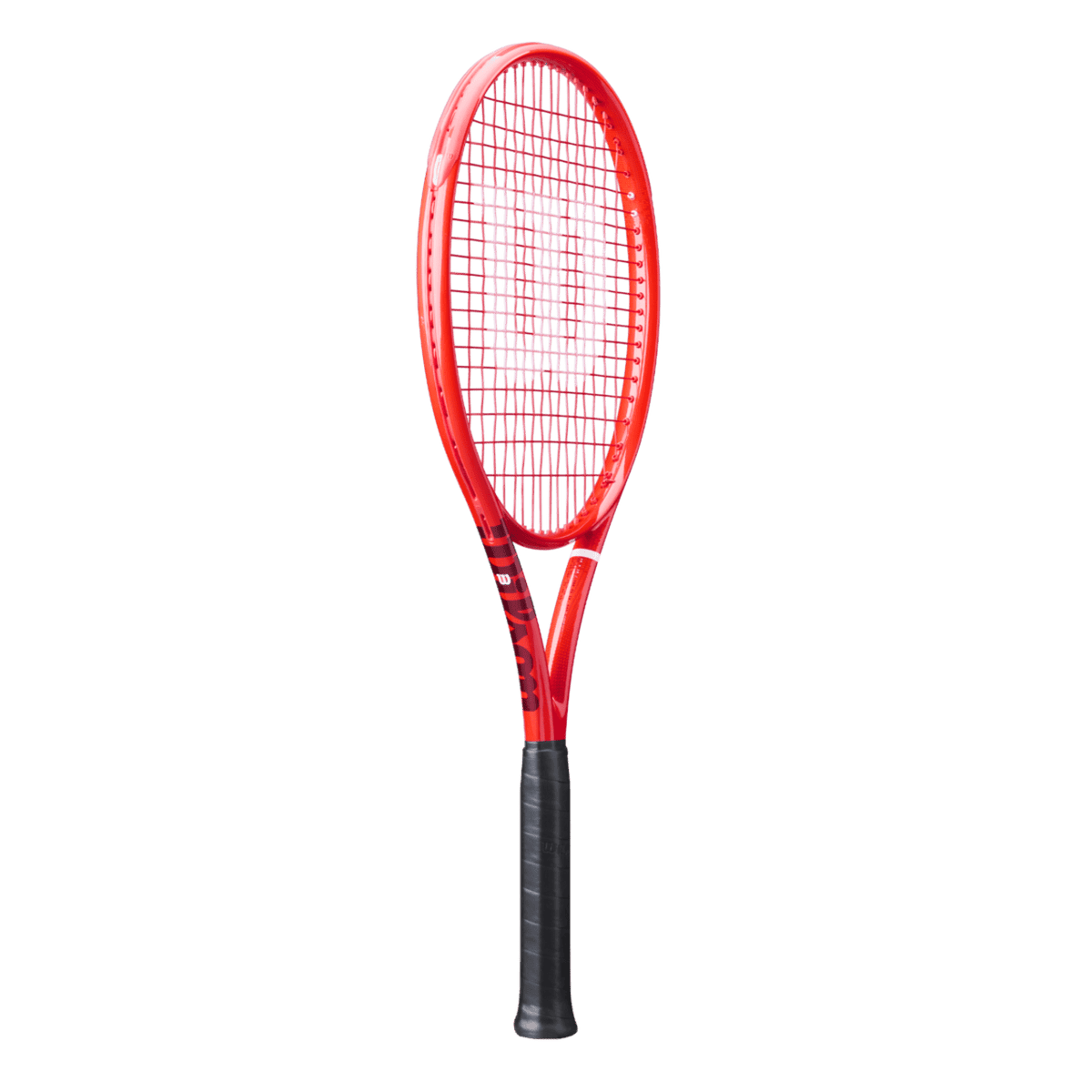
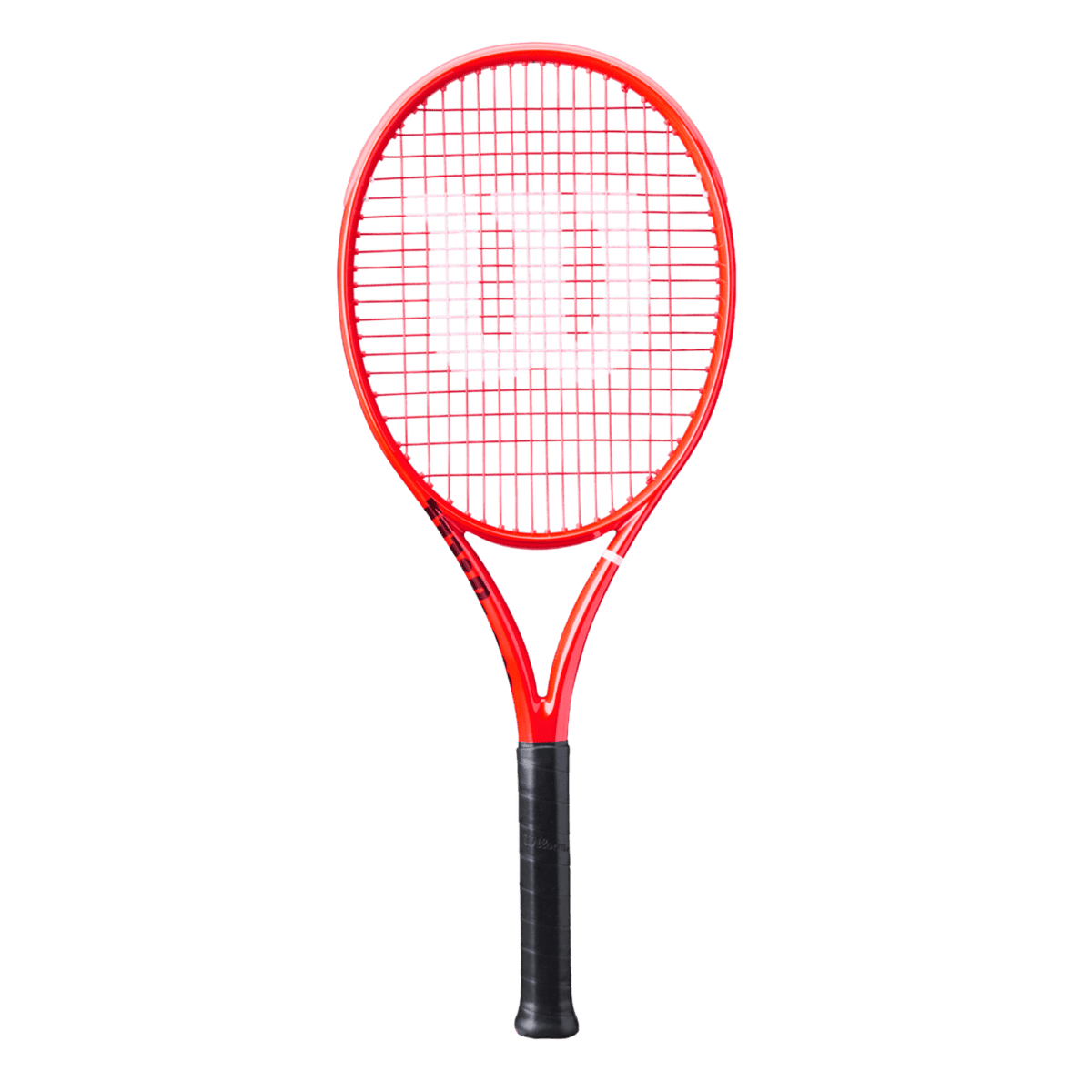
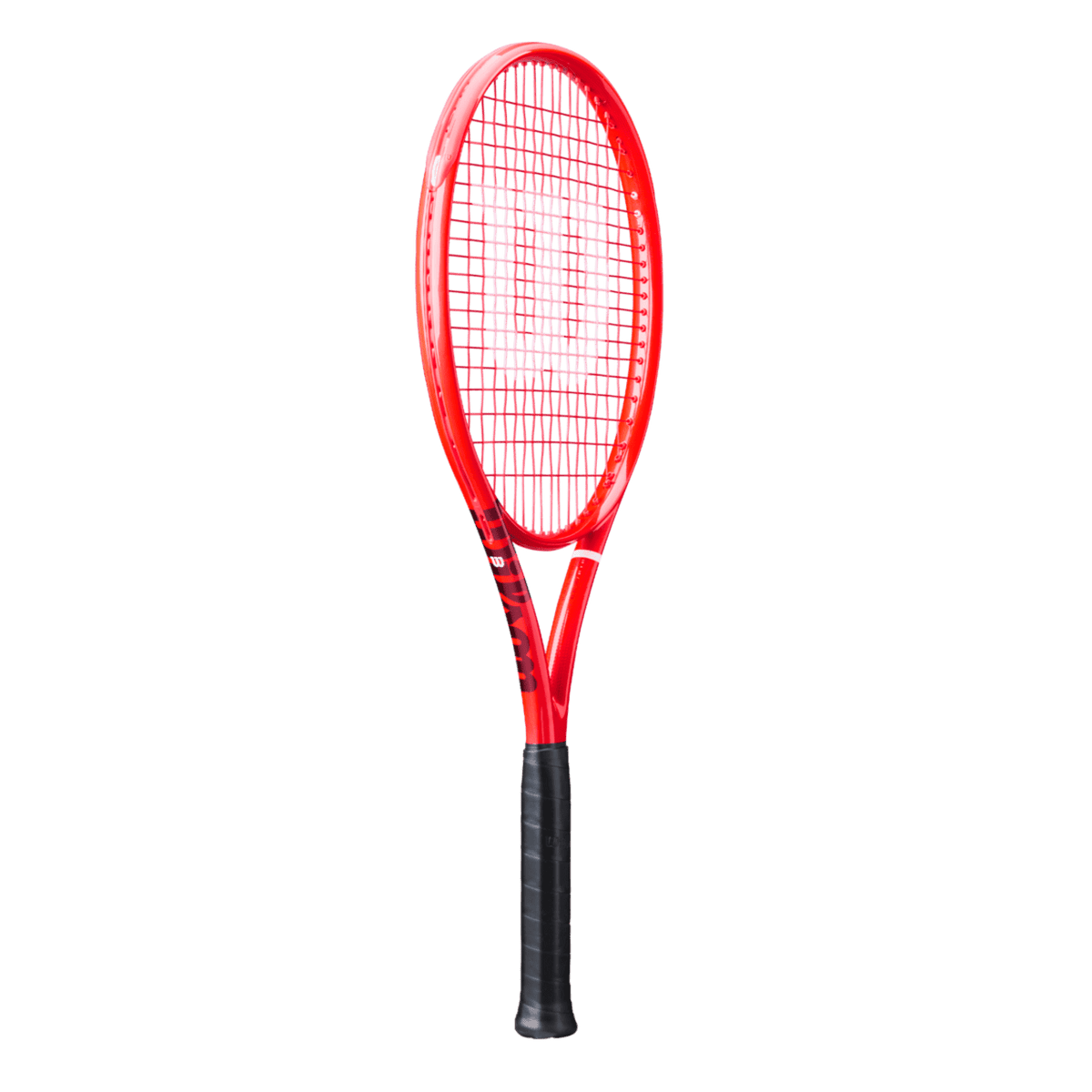
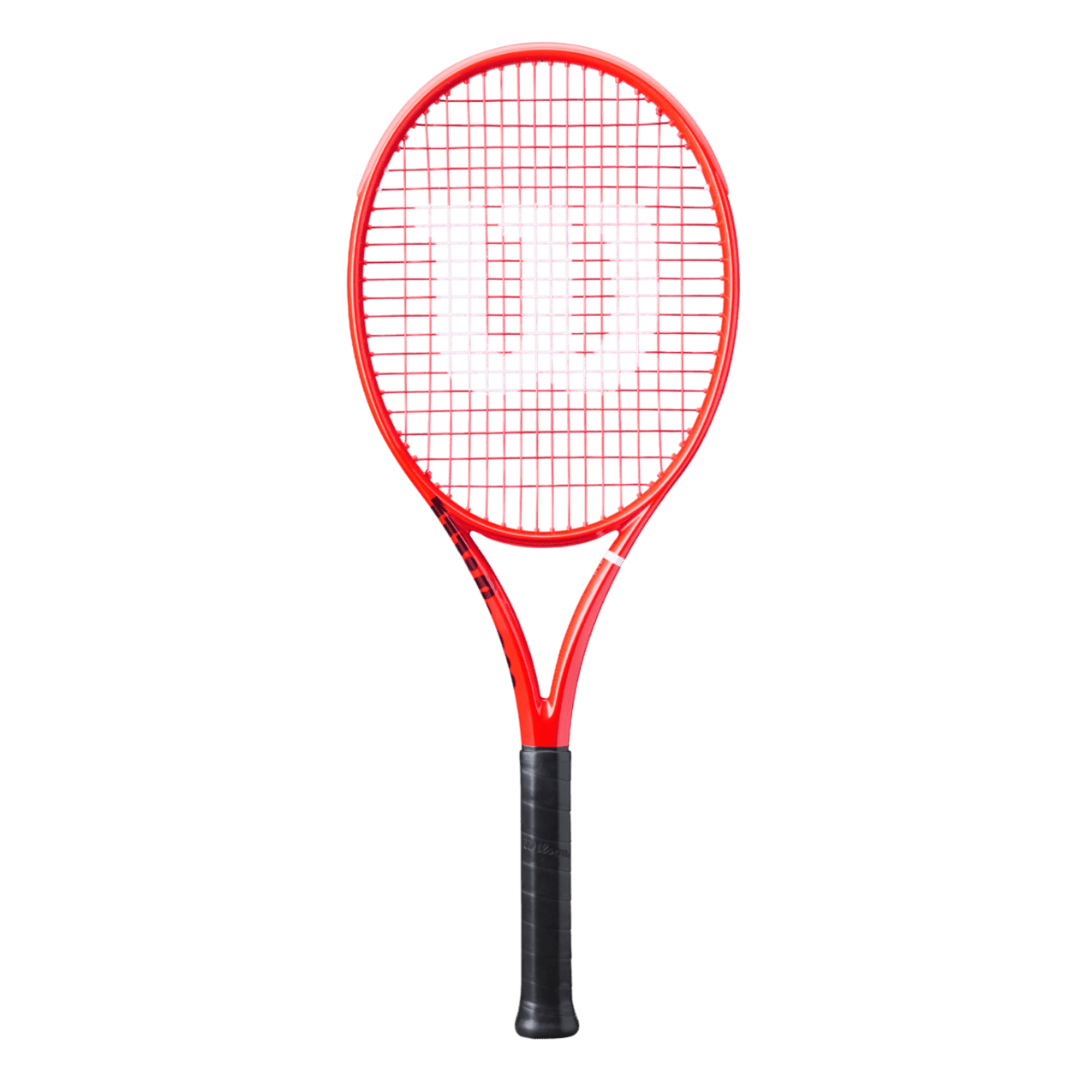
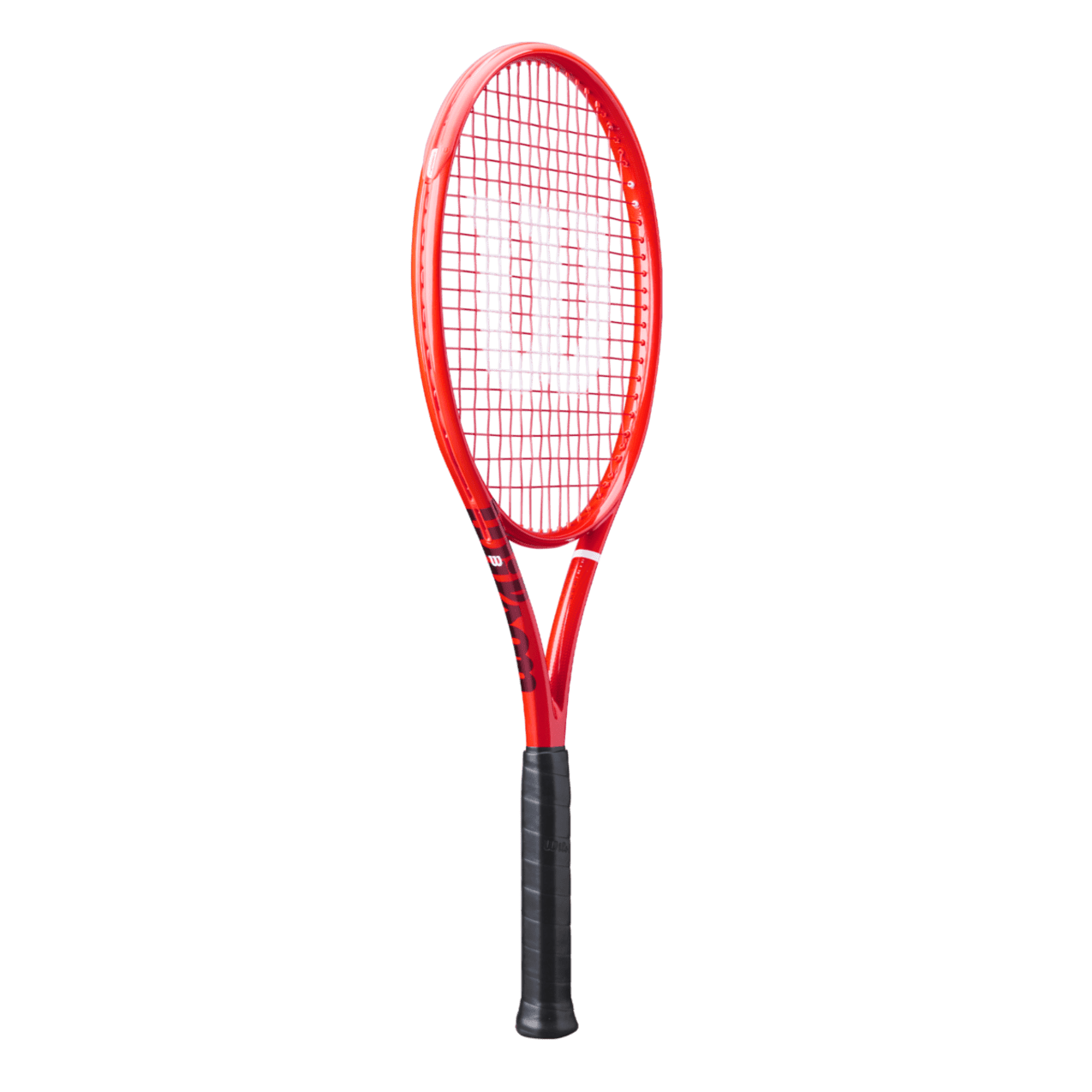
Wilson launched Defyer in July 2026 as a new performance franchise built around one idea: heavy spin without giving up feel. It is the frame Wilson developed after tour players asked for something that could break through slower courts and longer rallies. Karen Khachanov put the prototype into play first, and more than 30 ATP and WTA players have since moved to it.
The range runs four frames, all in the same Adrenalyn Red finish: the 98 Pro at the top, and three 100 in² models stepping down in weight. Every one of them ships unstrung.
 Defyer 98 Pro98 in² · 16×20 · 305 g
 Defyer 100100 in² · 16×19 · 300 g
 Defyer 100L100 in² · 16×19 · 285 g
 Defyer 100UL100 in² · 16×19 · 265 g
Which Wilson Defyer should you buy?
All four share the same technology. What separates them is head size, string pattern and weight, which together decide how much of the work the frame does for you and how much you have to supply yourself.
| Model | Head | Pattern | Weight | Balance | Best for |
|---|---|---|---|---|---|
| Defyer 98 Pro | 98 in² | 16 × 20 | 305 g / 10.8 oz | 8 pts HL | Advanced players with long, fast swings |
| Defyer 100 | 100 in² | 16 × 19 | 300 g / 10.6 oz | 9 pts HL | Competitive baseliners — the volume pick |
| Defyer 100L | 100 in² | 16 × 19 | 285 g / 10.1 oz | 7 pts HL | Intermediates who want easier head speed |
| Defyer 100UL | 100 in² | 16 × 19 | 265 g / 9.3 oz | 4 pts HL | Beginners and juniors moving to adult frames |
The short version
What makes Defyer different
Most spin-first racquets buy launch angle at the cost of connection to the ball. Defyer's three technologies are aimed squarely at that trade-off.

TORQ Shaft
A sculpted shaft section that transfers more of the swing's kinetic energy into the hoop. The head stays on line as you accelerate through a low-to-high swing, so the frame keeps its shape on aggressive shots instead of twisting off target.

Si3D
Wilson's patented three-dimensional bending profile pairs a flexible hoop with a stiffer throat. The hoop gives dwell time and pocketing — the connected feel — while the throat supplies spin and power.

Airfoil Bumper
An airfoil shape built into the headguard that reduces drag around the hoop. Less resistance through the air means faster swing speeds and easier shot-shaping, which matters most on the heavier 98 Pro and 100.
Dual Taper Beam and Parallel Drilling
Both widen the part of the string bed that responds well. Contact that lands slightly off centre still comes back with shape rather than dying. The practical benefit is a bigger usable sweet spot under pressure.
Defyer vs the rest of the Wilson line
Defyer sits in the spin-and-power corner of Wilson's range. If you are choosing between families rather than models:
- vs Blade — Blade is the control frame. Defyer gives more shape and a higher launch angle; Blade gives more precision and a flatter, more predictable ball.
- vs Ultra — Ultra is power-first with free depth. Defyer asks more of your swing but rewards it with a heavier, dipping ball.
- Defyer replaces Shift in Wilson's spin slot, and it is aimed directly at players currently on a Babolat Pure Aero.
Browse the full Wilson tennis racquet range to compare across families.
Proven on tour

Karen Khachanov was the first to put a Defyer prototype into play. On the ATP side he is joined by Sebastian Korda, Holger Rune, Thiago Tirante, Emilio Nava, Arthur Fery, Luca Nardi and Moïse Kouamé, among others.
On the WTA side the frame is in play for Anastasia Potapova, Maria Sakkari, Janice Tjen, Peyton Stearns and Emiliana Arango. Nearly all of them use the 98 Pro.
Every Defyer ships unstrung
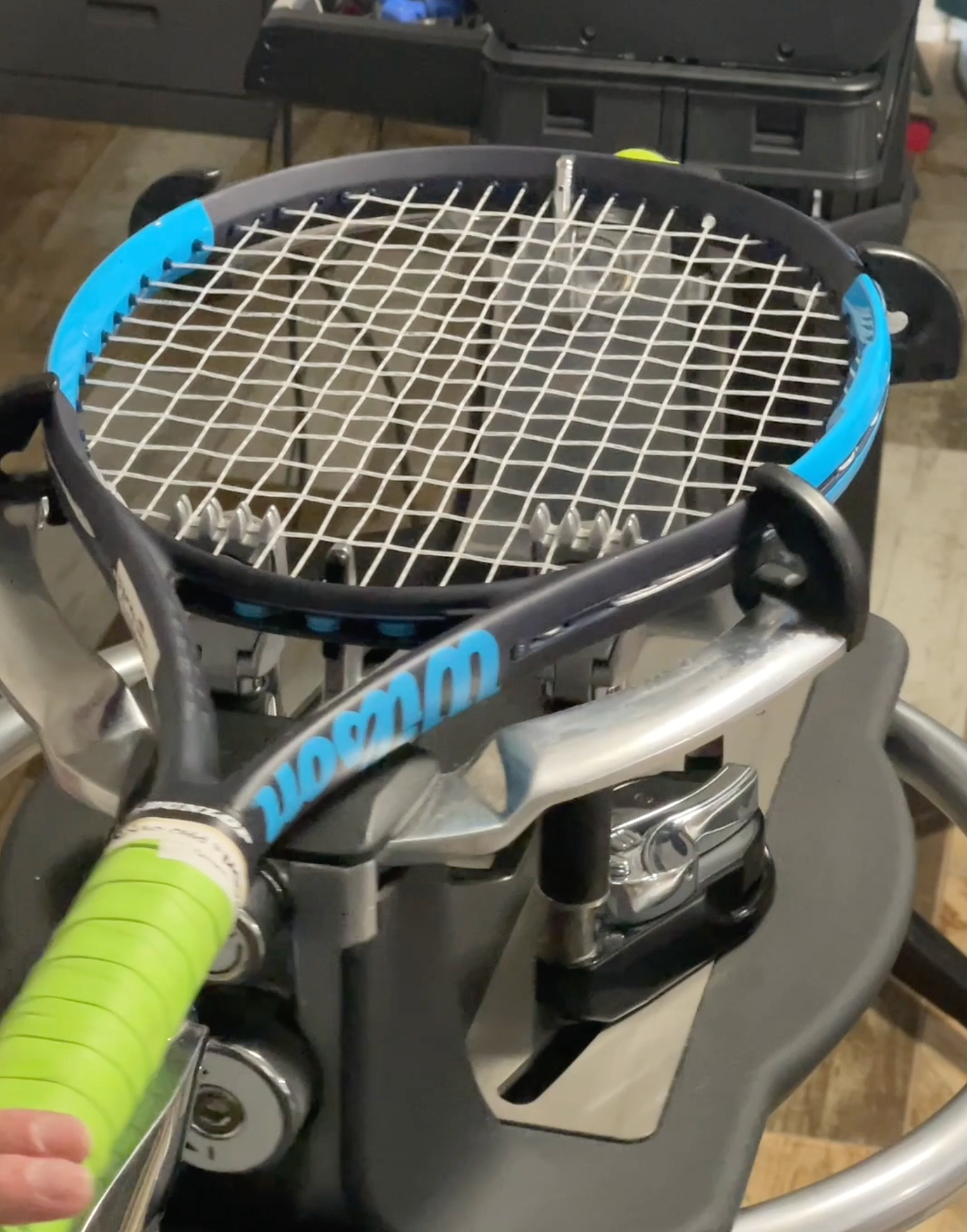
Like most performance frames, Defyer racquets are sold as bare frames, so budget for a string job on top of the frame price. String choice matters more than usual here: the 98 Pro's dense 16 × 20 pattern at 305 g is unforgiving of a stiff full-poly setup, so if you have any arm history, a softer poly or a hybrid is the safer starting point. Our mail-in stringing service can string your frame before it ships.